Cauliflower
Brassica oleracea var. botrytis
Family: Brassicaceae · Genus: Brassica
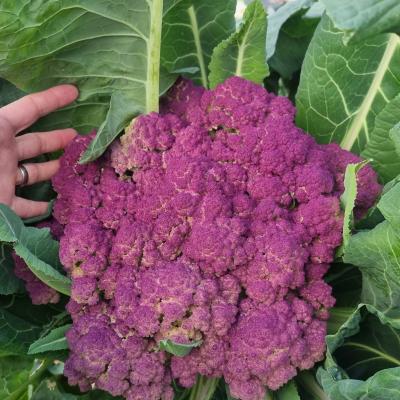
Cauliflower is one of several vegetables in the species Brassica oleracea in the genus Brassica. It is an annual plant that reproduces by seed. Typically, only the head is eaten — the edible white flesh is sometimes called 'curd'.
Soil Temperature
10°C – 30°C
Spacing
60 – 100 cm
Harvest
15–22 weeks
Sowing
Grow in seed trays, and plant out in 4-6 weeks.
Growing Schedule Zone 8b
Companions
Avoid Growing Near
Growing Notes
Large leafed cabbage-like with a white 'curd' or flower forming in the centre. It can be hard to grow successfully. More frost sensitive than most brassicas, it's also not particularly heat tolerant. They tend to fail if stressed when transplanting. Watch for cabbage white butterfly. Grow better in cooler temperatures. Not suitable for warm areas. Break a leaf over the head to prevent the curd becoming discoloured.
Culinary Hints
Cauliflower can be eaten raw, steamed, stirfried, grilled, or roasted. Popular grated and steamed/stirfried as a low-carb rice substitute. Traditionally served with cheese sauce.